 Backwaters
Valiyaparamba backwaters
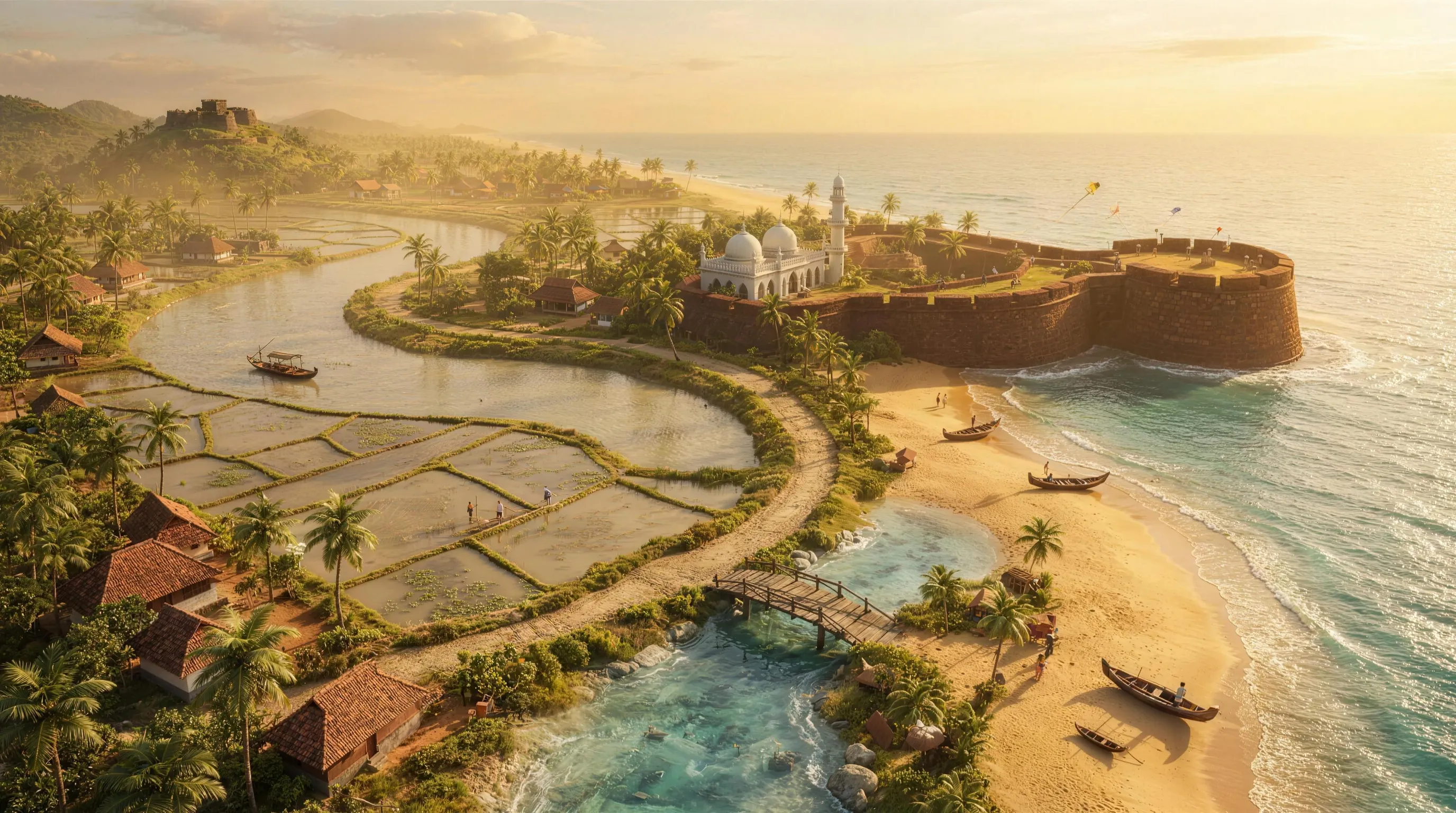
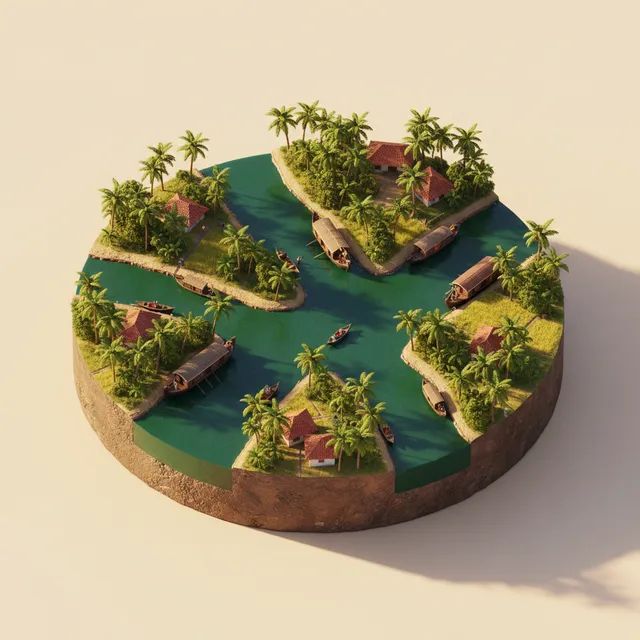
Four rivers pool behind a long sand spit to form Kerala's most unvisited backwater, scattered with islands and shell-fishing villages. Houseboats here sail waters the southern circuits forgot.
District 14 · Kerala
Forts, rivers and the far north
The lie of the land
Kerala's northernmost district faces the sea from a chain of laterite forts, grandest of them Bekal, whose keyhole bastion frames the Arabian Sea. Behind the coast, the Valiyaparamba backwaters run quiet and almost unvisited, and seven languages mingle in the bazaars where Kerala shades into Karnataka.
Seven languages in the bazaar, one long silence on the backwater.
The essentials
01Fort
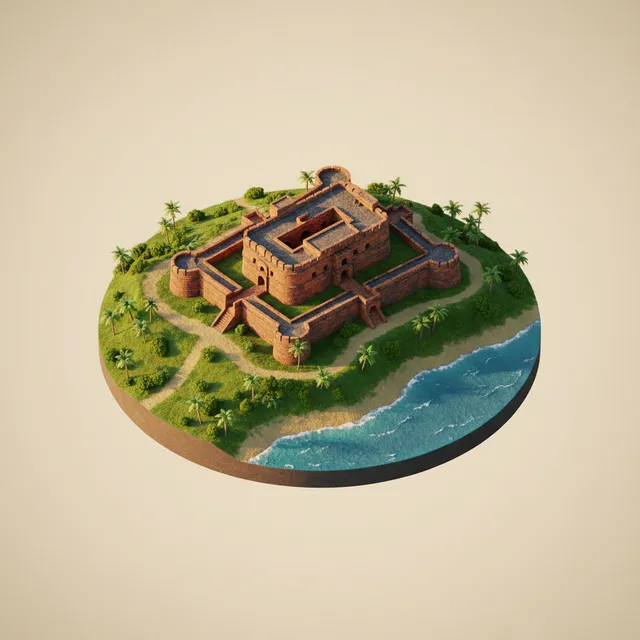
Kerala's largest fort spreads 40 acres of laterite rampart around a headland, its round observation bastion aimed straight out to sea. Built up under Shivappa Nayaka in the 1650s, it is now the anchor of the state's northern riviera.
02Fort
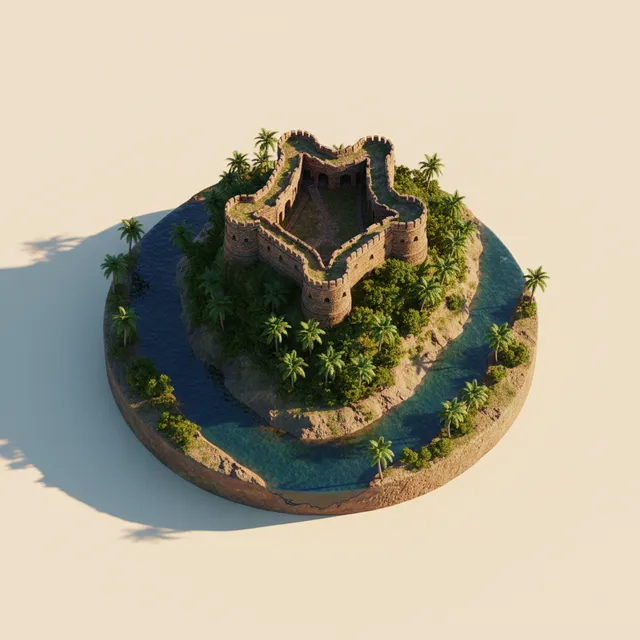
A 17th-century hilltop fort above the broad mouth of the Chandragiri river, the old boundary between Kolathunadu and the Vijayanagara domains. River cruises below pass islands and coconut shore to the sea.
03Trek
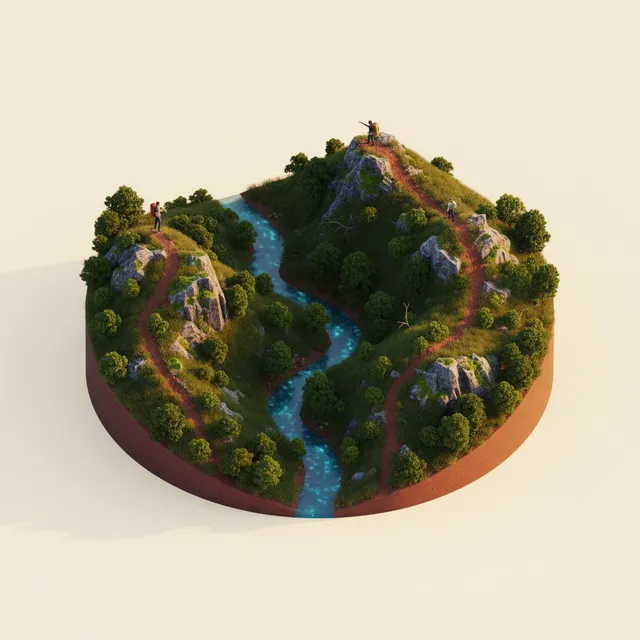
Grassland summits at around 1,000 metres on the Karnataka border, reached through shola forest where elephant signs are common. Its open meadows have earned it the name of Kerala's little Ooty.
Go deeper
BackwatersFour rivers pool behind a long sand spit to form Kerala's most unvisited backwater, scattered with islands and shell-fishing villages. Houseboats here sail waters the southern circuits forgot.
 Beach
BeachA quiet curve of sand near Bekal where a backwater slides along behind the dune before meeting the sea. Come at low light, when fishing canoes and casuarina go to silhouette.
 Heritage
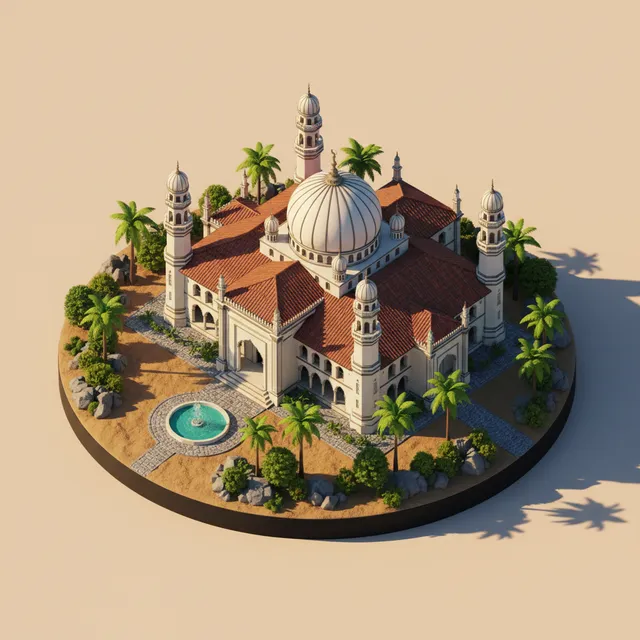
Held to be among the mosques founded by Malik Deenar's seventh-century mission that brought Islam to India's shores, and home to his revered tomb at Thalankara. The Kerala-style gabled architecture predates the dome era.
 Countryside
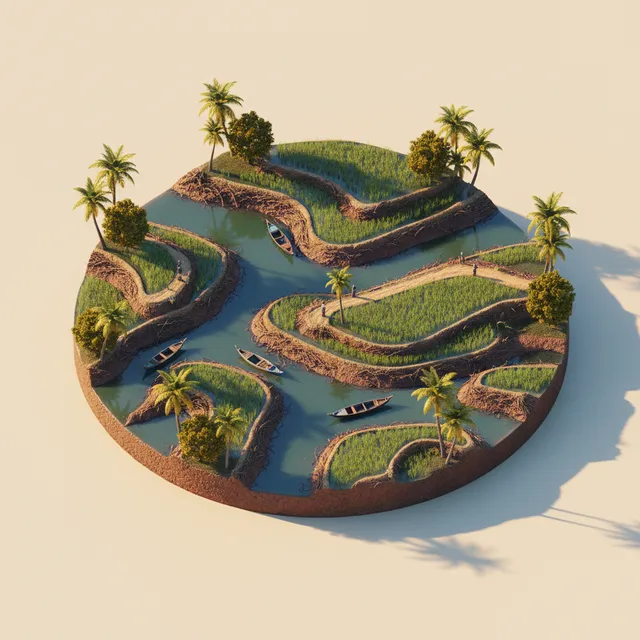
A saltwater-tolerant rice culture worked with the tides in the estuaries of the north — no fertiliser, the sea itself managing the field. The kaipad system and its rice carry a geographical indication tag.
 Culture
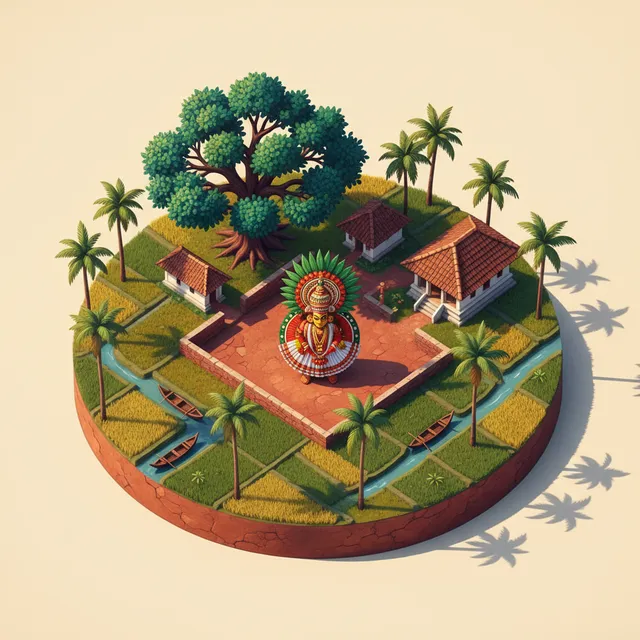
A riverside temple town dense with shrines and kavu groves, alive with Theyyam through the season, and a base for slow cruises into the Valiyaparamba lagoon. The old Nileshwar rajas' seat gives it its heritage weight.
 Culture
The ashram founded by Swami Ramdas in 1931 at Kanhangad, dedicated to the continuous chant of Om Sri Ram Jai Ram. Its unhurried gardens and open satsang draw seekers from across the world.

Continue the journey
Thiruvananthapuram
Where the coast meets the capital